Leading Korean probiotics exporter eyes overseas production and microbiome drugs as it seeks new growth
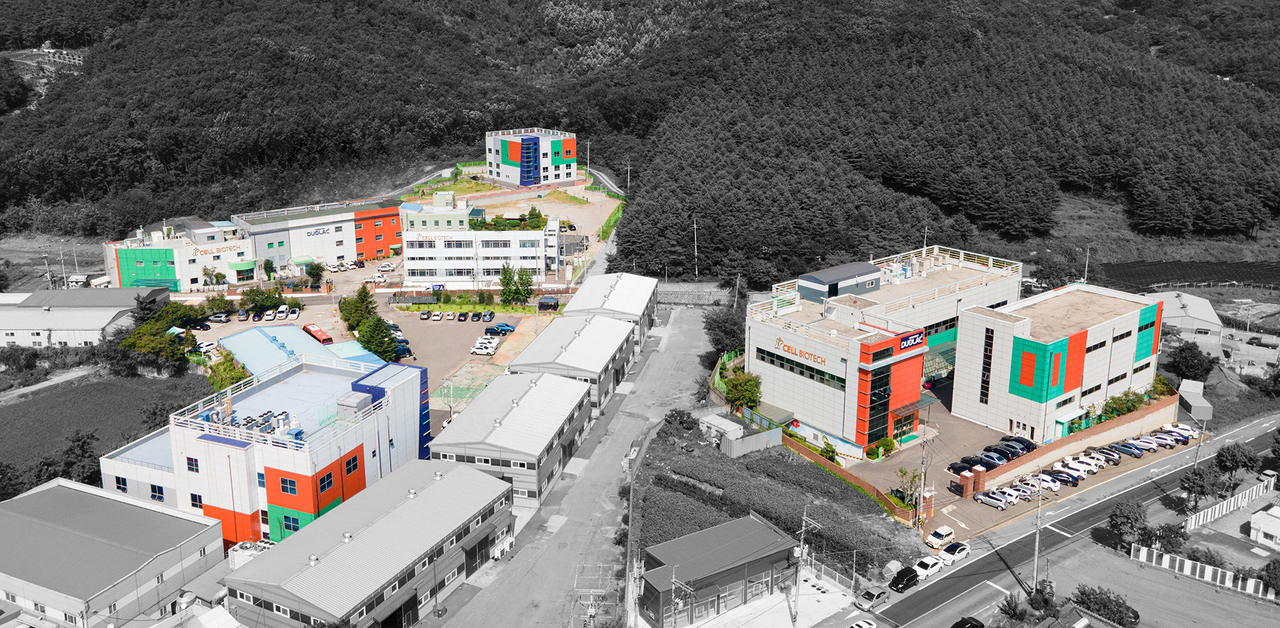
GIMPO, Gyeonggi Province — “We produce approximately 10 tons of bacterial cultures per day, which is more than 100 quadrillion lactic acid bacteria,” a Cell Biotech official said during a tour last week.
A warm, slightly sweet smell filled the air at Cell Biotech’s fermentation building in Gimpo, Gyeonggi Province, on Nov. 4. Several large fermentation tanks hummed as they rigorously yet carefully cultivated probiotics.
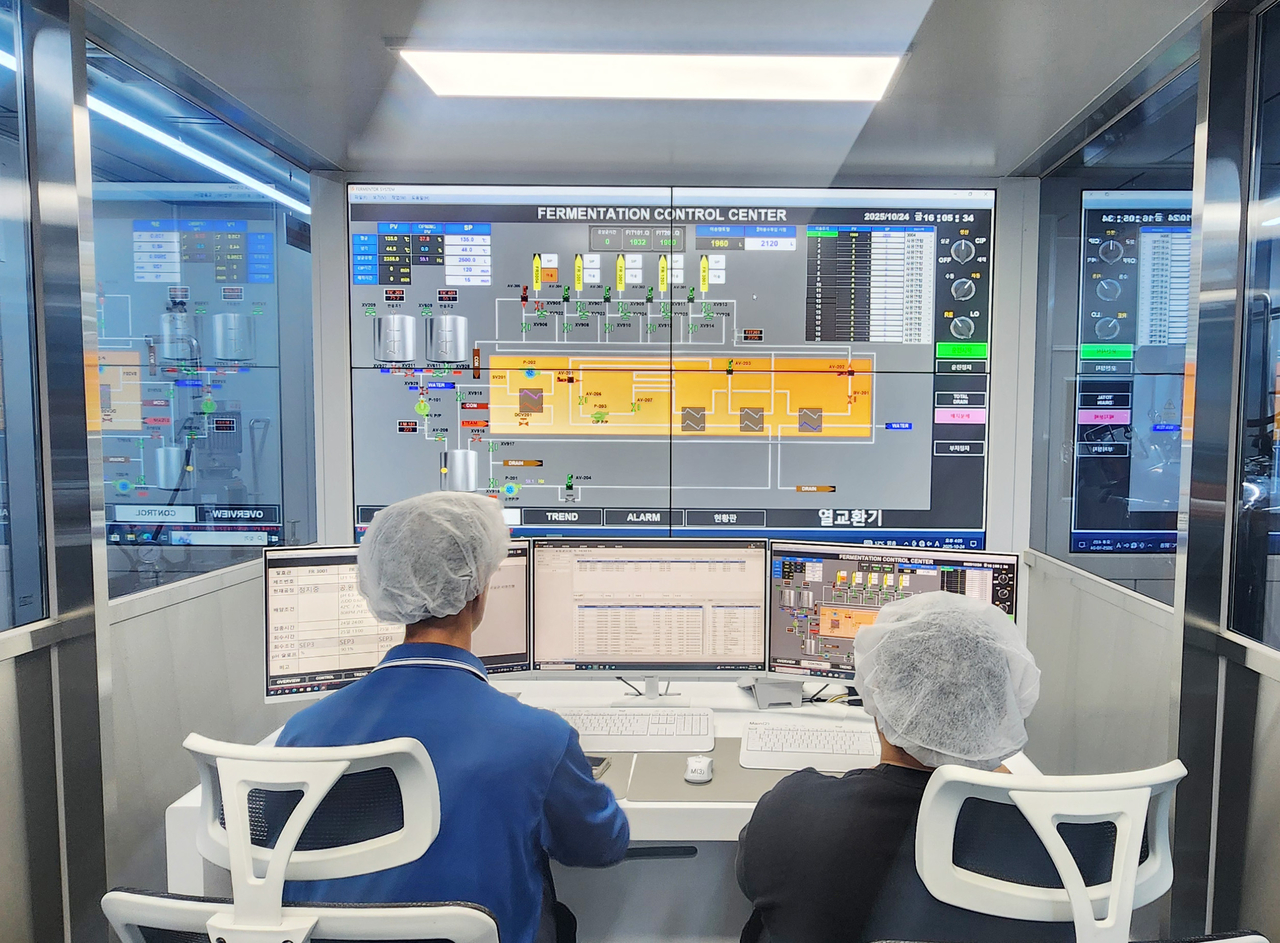
The official emphasized that the entire microbial fermentation process is controlled in real time around the clock through a smart factory system, which keeps quality consistent.
A glass wall illustrated the company’s probiotics portfolio featuring 11 strains — the most in the world — recognized under the United States Food and Drug Administration’s Generally Recognized as Safe program.
“We produce our probiotics to support the health of not only domestic customers, but also people around the world, regardless of their age, gender or cultural background,” the official said.
“We tailor our products to meet different cultural and dietary requirements, including halal and kosher standards, with the goal of helping people everywhere live healthier.”
Once fermentation is complete, the bacteria are separated from the liquid culture through centrifugation and concentrated. Then Cell Biotech’s signature technology of dual coating applies two protective layers — protein first, followed by polysaccharides — to the live bacteria, a technique that is designed to help the microorganisms withstand the acidic conditions in the stomach and remain protected during processing and storage before reaching the intestines.
“In a published study, we demonstrated that the technology increases probiotic survival in the gut by 100 times on average and up to as much as 221 times,” said Lim Sang-hyun, deputy director of research at Cell Biotech.
The coated bacteria then undergo freeze-drying, which removes moisture while preserving the microorganisms. The resulting powder becomes the raw material for products in different forms including tablets, capsules and sachets.
The process continued in the finished-product building, where visitors must wash and disinfect their hands, change into clean garments and pass through a 15-second air shower. Pressure differences between rooms and controlled ventilation help prevent outside contaminants from entering the production areas.
“The air shower is not legally required by the (good manufacturing practice) standards, but we thought it would be better to install it,” a Cell Biotech official said.
The Korean probiotics producer acted early to integrate artificial intelligence into its inspection system seven years ago, while AI-powered manufacturing has gained traction in recent years.
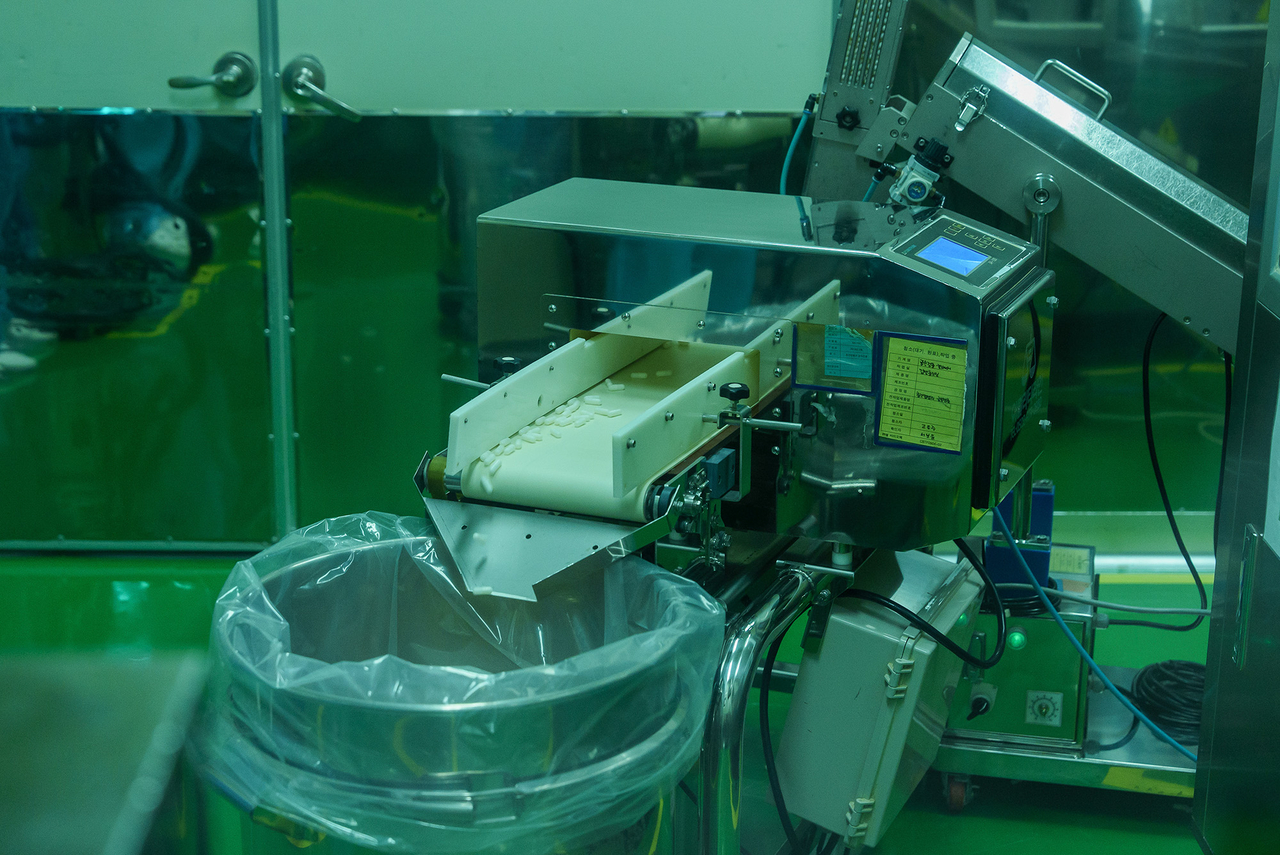
Trained on images of benchmark products, the AI-based equipment scans tablets for surface cracks, particles and other defects, automatically separating those that fall outside set standards. According to Cell Biotech, the system can detect nearly 100 percent of defects.
The Kosdaq-listed company, which was founded in 1995 and became the first Korean firm to produce probiotics on a large scale, has led the country’s annual probiotics exports for 13 consecutive years from 2013 to 2025.
Supplying products to 56 countries, Cell Biotech logged 53.3 billion won ($39.9 million) in sales and 7.9 billion won in operating profit last year, with exports accounting for more than half of revenue.
In January this year, Cell Biotech’s flagship brand Duolac held a market leading 46.6 percent share of the pharmacy probiotics category in Denmark, which is home to Chr. Hansen, one of the world’s biggest probiotics producers.
An undisclosed major German healthcare brand also sources finished probiotic products from Cell Biotech’s Gimpo plant.
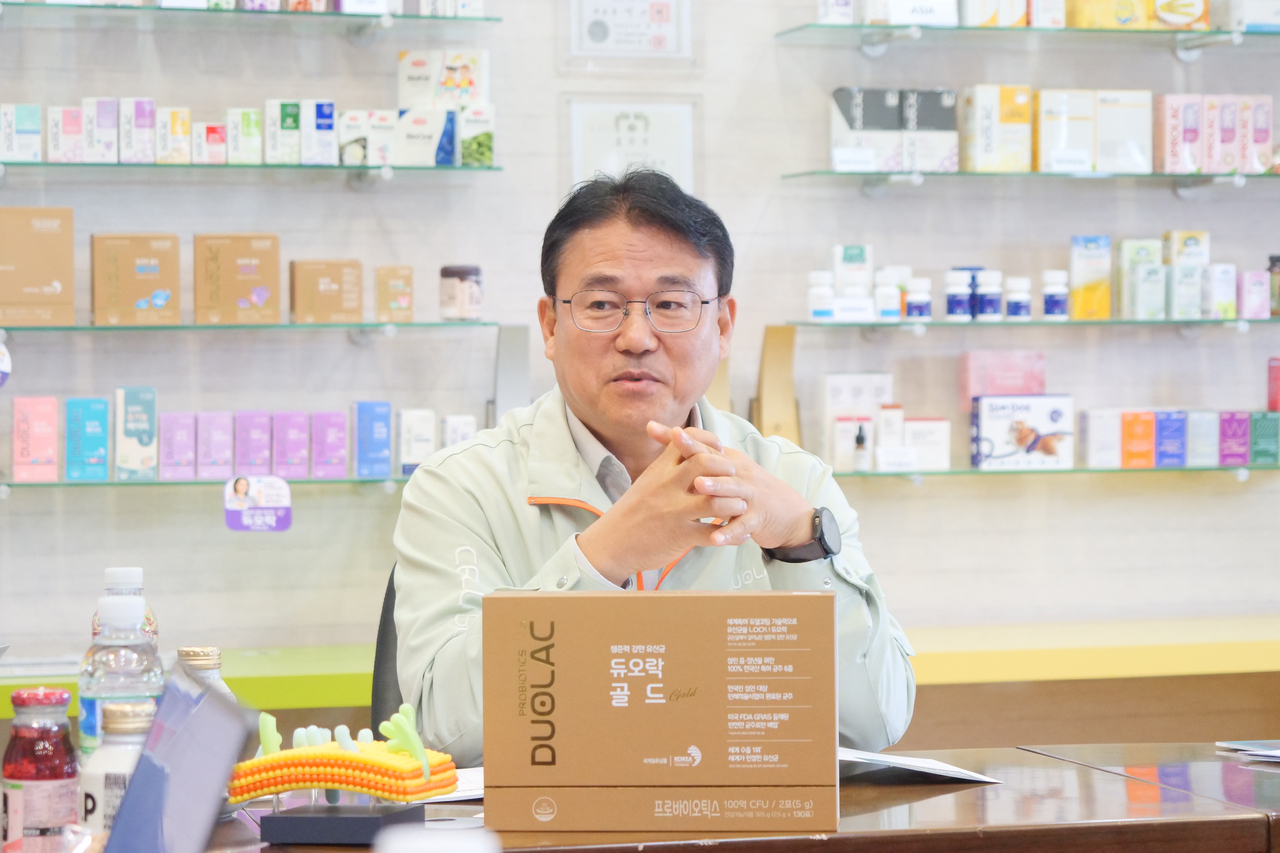
“We are preparing a two-track strategy,” Lee Hyun-yong, general manager of Cell Biotech’s Gimpo plant, said.
“One is that we could set up a new plant here to increase (production capacity) through investment. The other is that we could go overseas for potential joint ventures, local plants or technology transfer. In that way, we could resolve the issues of trade barriers and tariffs.”
Beyond health supplements, Cell Biotech is seeking to become a global biopharmaceutical player that can lead the microbiome drug industry through new drugs and their contract development and manufacturing organization business.
The company’s colorectal cancer drug candidate PP-P8, which uses lactic acid bacteria as a delivery platform for therapeutic proteins, is currently undergoing a Phase 1 clinical trial with Seoul National University Hospital.
hwkan@heraldcorp.com